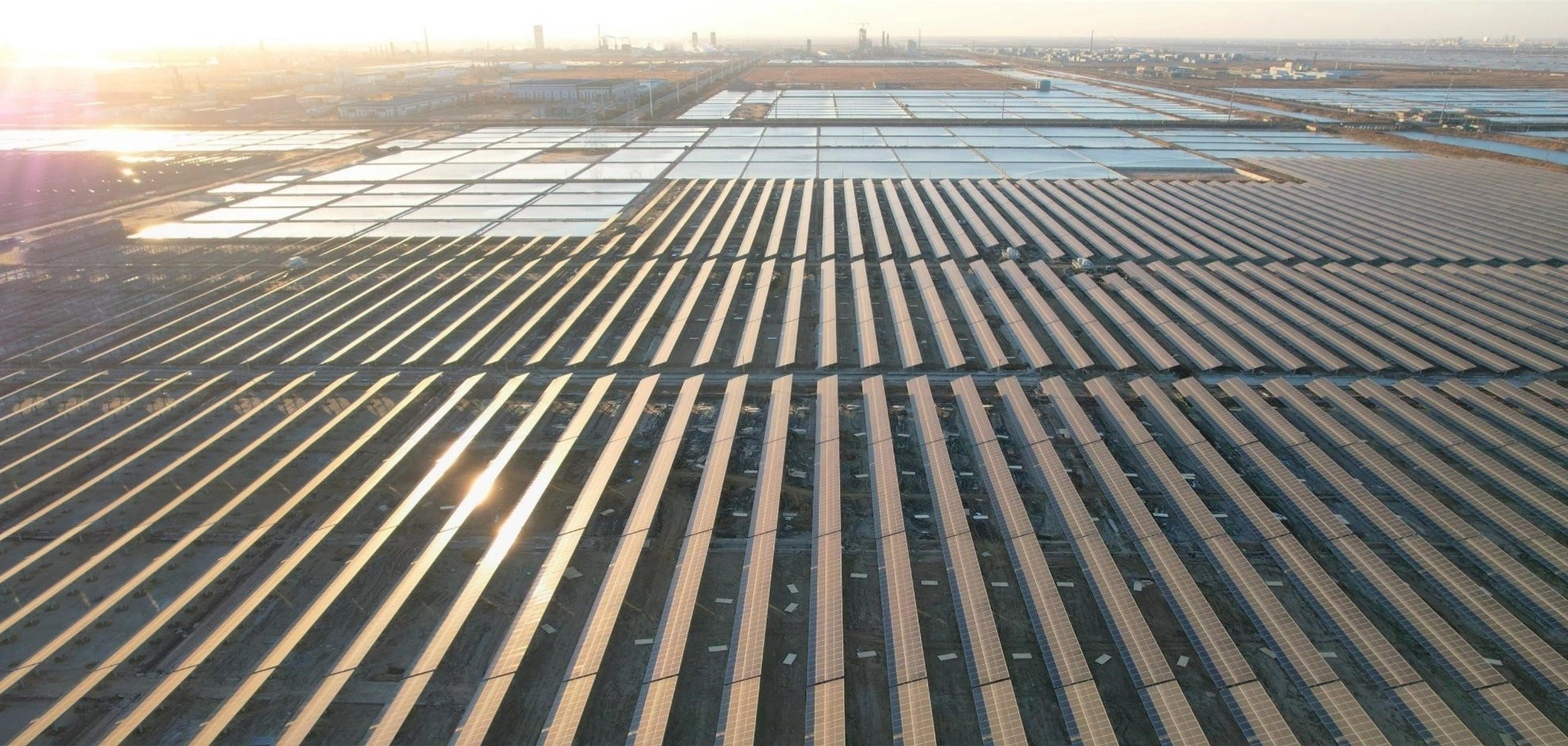
Karoola Galore Solar Farm
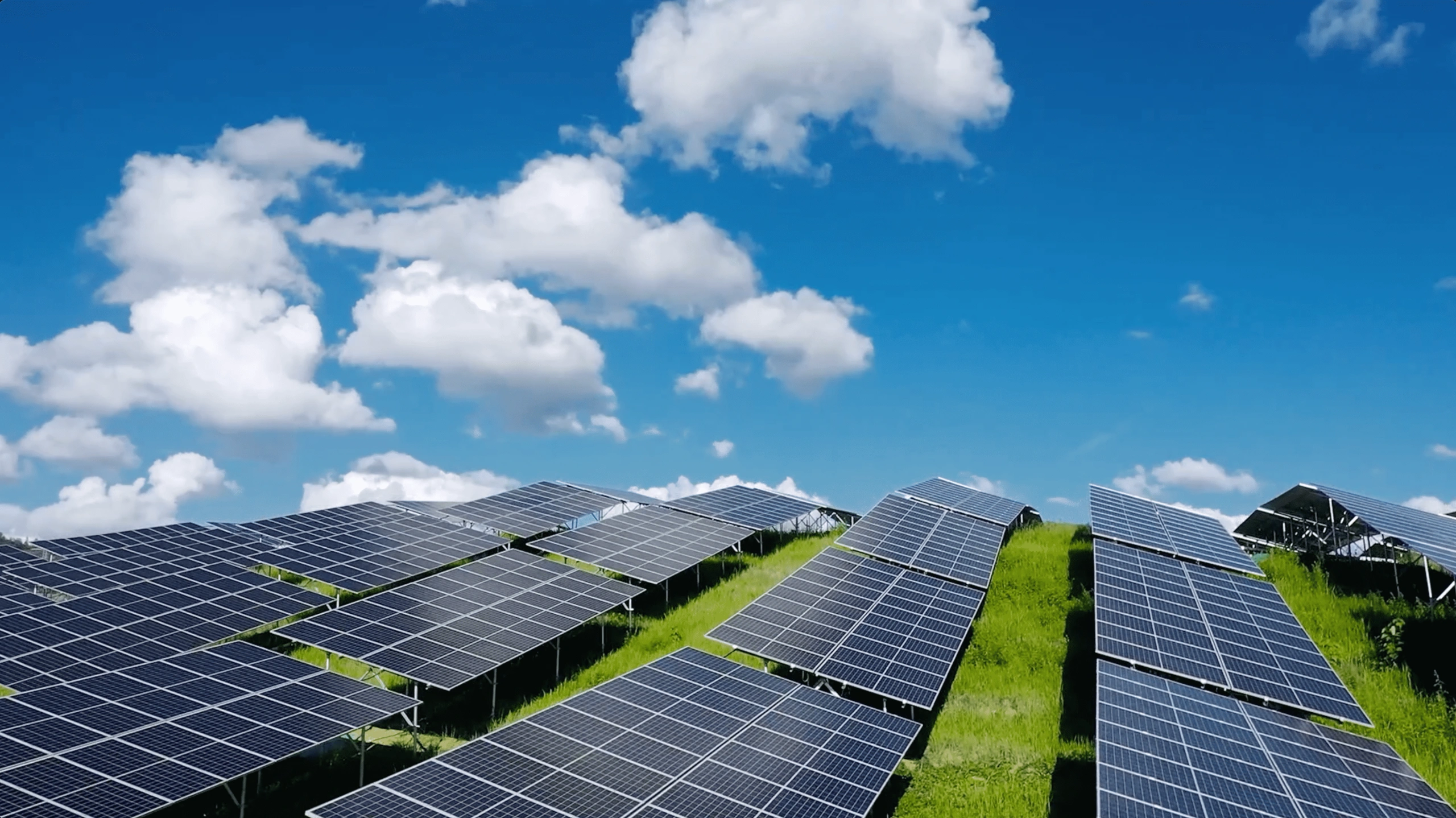
About the Project
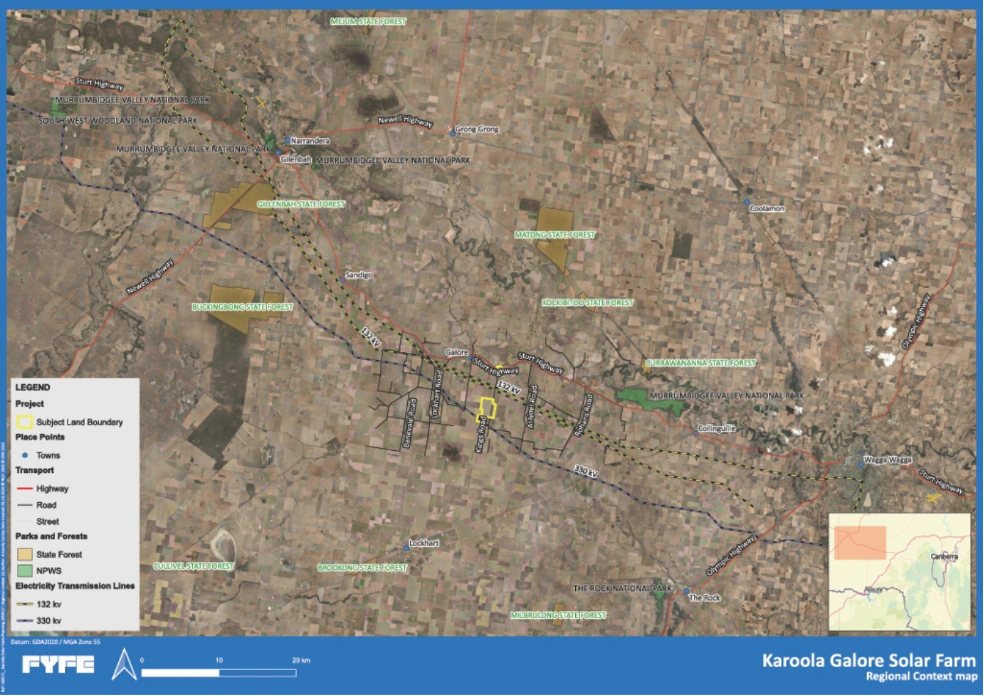
The Karoola Galore Solar Farm Project is in the early stages of planning and is proposed to be located approximately 58 kilometres (km) West of central Wagga Wagga, 30 kilometres (km) North of Lockhart and approximately 10 kilometres (km) South-West of Galore.
The Project would include a solar farm with an expected generation capacity of up to 300 megawatts (MW), supported by a Battery Energy Storage System (BESS) with a capacity of 300 MW / 1200 megawatt-hours (MWh). Once operational, the solar farm is expected to generate enough renewable energy to power approximately 100,000 homes each year, while the BESS would store excess electricity for use when it is needed most, helping deliver reliable and flexible renewable energy to the grid.
Project Key Components
The Project would include the following key components:
Solar panel modules
To convert sunlight into electricity, to be supplied to the electricity grid
BESS containers
Lithium Iron Phosphate (LFP) batteries and associated electrical equipment housed within purpose-built containers, typically similar in size to a 20-foot shipping container, to store electricity so it can be supplied to the grid when needed.
Power Inverters
To convert the Direct Current (DC) electricity from the solar panels and batteries to Alternating Current (AC) used in the electricity grid
Transformers
To adjust the voltage of electricity so it can be safely and efficiently transferred through the Project and supplied to the electricity grid.
Onsite substation
To help maintain the batteries and electrical equipment at safe operating temperatures.
Cooling systems
To help maintain the batteries and electrical equipment at safe operating temperatures.
Fire protection systems
To detect, prevent and respond to any potential fire risks.
Switch rooms and switchyard
To house electrical equipment used to safely control, protect and manage the flow of electricity through the Project and into the grid.
Site access
To provide safe access to the Project site during construction and operation.
Operational facilities
Such as parking, a site office and amenities, which would support workers during the operation of the Project.
Location
The Project is proposed to be located approximately 10 km southwest of Galore, 30 km north of Lockhart and 58 km west of Wagga Wagga, in the City of Wagga Wagga Local Government Area.
The Project site is located on the eastern and western sides of Kings Road, south of the Sturt Highway and is closely adjacent to the existing 330 kV Wagga Wagga to Darlington Point transmission line.
Click to get there
Community Benefits
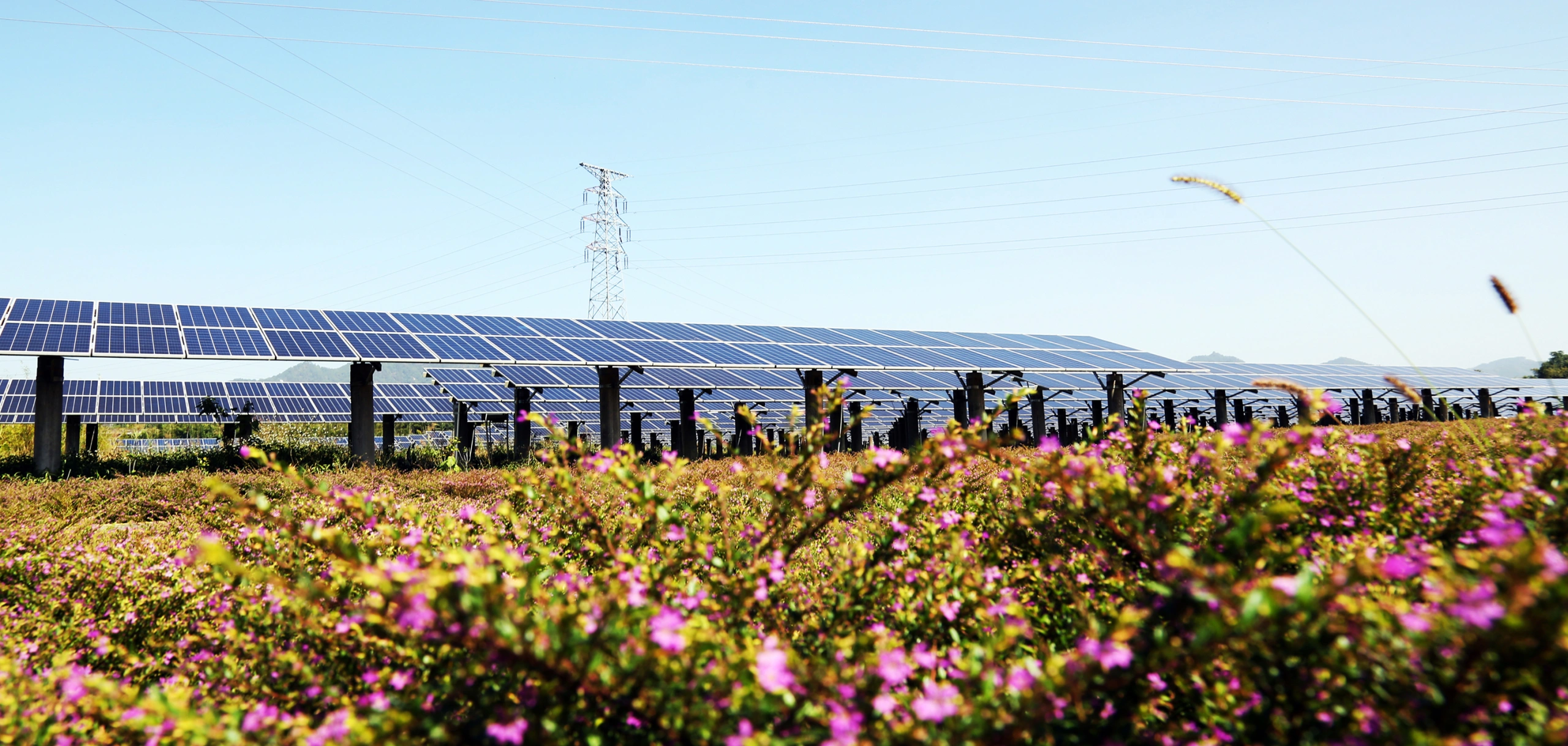
Generates clean, green energy for the National Electricity Market (NEM) and enough power for approximately 1000,000 homes per year

Enhances the reliability and stability of the electricity network

Community benefit sharing (CBS) program in collaboration with the Lockhart Shire Council, which aims to brainstorm initiatives in partnership with the local community.

Direct employment opportunities during the construction period and into operations

Economic boost to the region through spending in ancillary services, such as accommodation and food services.

Community
Sungrow is committed to engaging openly and respectfully with the local community throughout the development and assessment of the Project and beyond.
Community feedback is an important part of the Project’s development. Sungrow wants to understand what matters to local residents, businesses, community organisations and the wider community. This can include any questions or concerns about the Project and ideas about how it could contribute positively to the local area. Feedback received through consultation will help inform Project planning and the development of measures to manage potential impacts.
Sungrow is also committed to keeping the community informed as the Project progresses. Updates will be provided as more information becomes available, including key assessment findings.

Download Project FAQs
Learn more about the proposed project, including the planning process, environmental assessments, safety considerations and community benefits.